
Live-In Caregivers for Singapore's Households
Caring for an ageing or unwell loved one is one of the most important responsibilities a family can take on — and you don’t have to do it alone.
Trained Live-In Caregivers for Every Care Need
We match families with caregivers who are experienced or trained for the specific conditions of loved one — not a one-size-fits-all helper.
Eldercare & Activities of Daily Living
Bathing, dressing, meals, mobility support and medication reminders — the day-to-day help that lets a senior stay independent at home.
Dementia & Alzheimer's Care
Caregivers trained in the specific routines and communication techniques which Dementia and Alzheimer’s care requires.
Stroke Recovery & Rehabilitation
Support with mobility, transfers and rehabilitation exercises during recovery, reducing fall risk along the way.
Chronic Illness Care
Ongoing support for diabetes and other chronic conditions — monitoring, routine management and medication support.
Procedures
Caregivers with specialised skills such as NG tube feeding, stoma, catheter care, and suctioning — for care recipients with clinical needs beyond daily living support.
Companionship & Emotional Support
Daily conversation and consistent presence — addressing the isolation that’s one of the biggest health risks for seniors living alone.
Eldercare Helper
Caregiver (specialised skills)
Private Nurse (Diploma/BSc)
Salary varies with experience, skill sets and language abilities. Fees and government grant breakdown is on How to Hire.
Refresher Training by Senior Staff Nurses, Not a Generic Course
Before placement, caregivers go through an in-house refresher training led by our own senior staff nurses who are experienced nurse practitioners. Training topics might include basic anatomy and physiology, common elderly diseases, and safe caregiving practices, combining classroom theory with hands-on practice.
- Bedside nursing for Activities of Daily Living
- Managing stroke, Parkinson's, dementia and diabetes
- NG tube feeding, suppository use, catheter (IDC) care
For candidates without prior caregiving experience, we partner with Age Well Academy for structured courses in essential caregiving, dementia care and palliative care.
After placement, caregivers continue to receive periodic refresher training, optional home visits from our nursing team, and helpline support throughout the placement period.
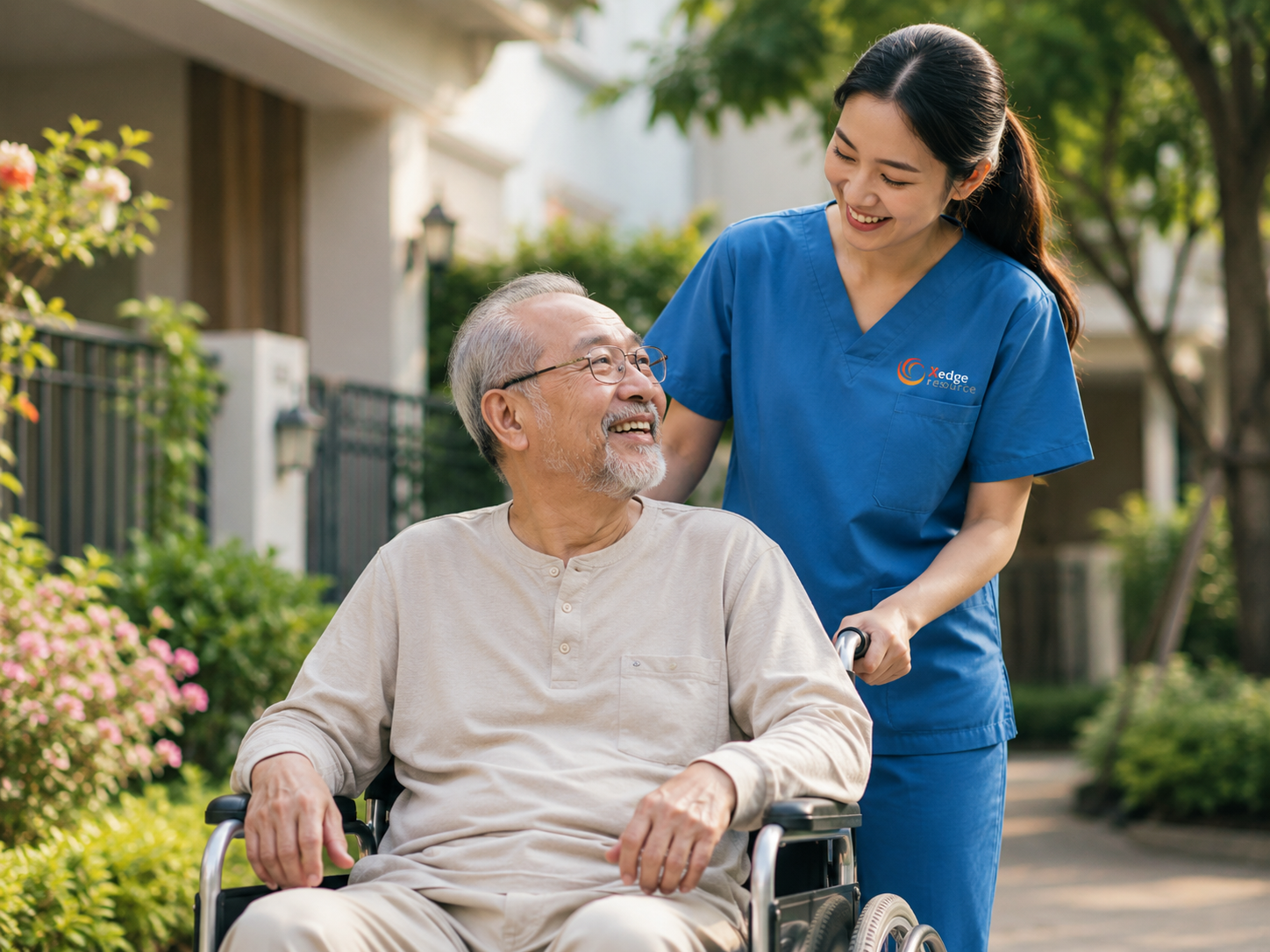
Caregiver vs. Domestic Maid — What's the Difference?
A question we’re often asked. Here’s some of the differences.
Job Scope
A caregiver’s focus is the care recipient’s wellbeing — daily living support and complex care needs. A domestic maid primary job scope is on household chores like cleaning and laundry, without much elderly care.
Skill Sets
Caregivers typically have experience in caring for the elderly and/or hold a caregiving certificate, nursing aide qualification, or higher. Domestic helpers usually have no experience in elder care and/or formal caregiving training, only cleaning and cooking skill sets
Language
Caregivers need to be able to communicate in English, Chinese, Malay and/or dialects to work effectively with the care recipients and families. This matters far less for household-chore-focused roles.
Attitude Toward Elderly Care
Caregivers have a genuine willingness to look after seniors — essential for quality long-term care. Domestic maids may not have this inclination, and that’s fine for their role, but not a fit for eldercare.
Remuneration
A caregiver’s pay reflects her qualification, experience and language ability, and is thus higher than a typical domestic helper’s pay.
5 Reasons to Hire a Live-In Caregiver
- Better quality care from someone who is experienced or trained in the specific conditions your loved one has
- Peace of mind — you can better focus on work and family without constant worry
- Your loved one ages in the comfort of their own home
- Daily companionship that reduces the isolation many seniors face
- Skilled help with activites of daily living and hygiene, reducing accident and health risks
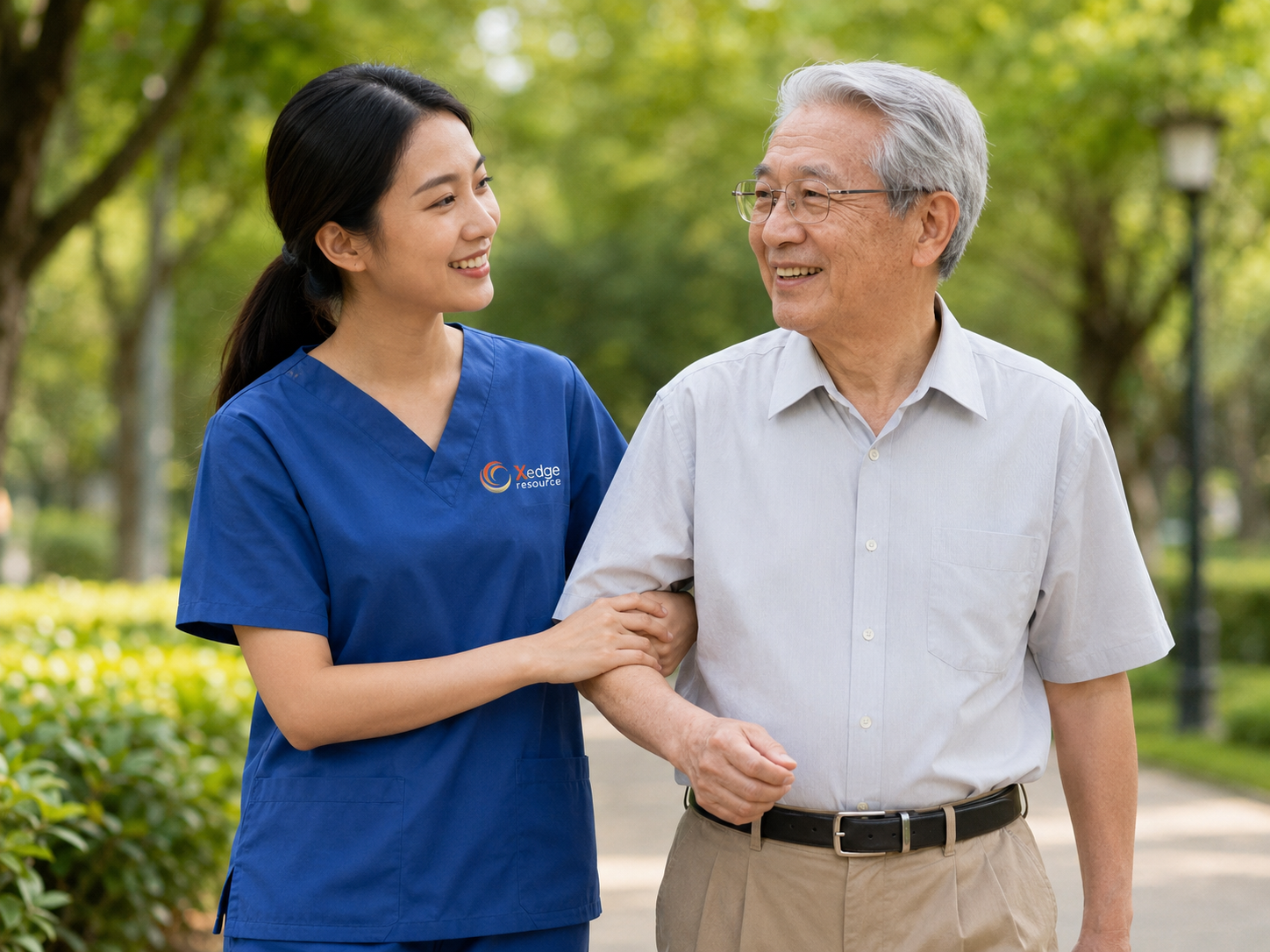
5 Tips on Choosing the Right Caregiver
A few things worth getting right before you commit.
1. Understand the Needs First
Consult doctors, nurses and/or other healthcare professionals to understand exactly what support is needed before you start shortlisting.
2. Talk to the Care Recipient & Spouse
Both the care recipient and the spouse need to be genuinely comfortable with a live-in caregiver — discomfort undermines even a well-matched placement.
3. Match Skills, But Stay Flexible
A perfect match isn’t always possible — some skills can be taught. Paying slightly more for better compatibility often pays off.
4. Prioritise Language Ability
Effective communication is essential for trust and for avoiding misunderstandings about care instructions and routines.
5. Look for the Right Attitude
A caregiver who genuinely wants to care for seniors navigates the hard days better than one who sees it as just a job.
Ready to talk through your care needs?
Reach out for a free consultation.